Table of Contents
Moving house is a significant life event that often comes with a slew of logistical challenges, including the management of time and finances. While the process can be daunting, understanding the impact of timing on moving costs can help alleviate some of the stress associated with relocation. In this comprehensive guide, we’ll explore the concept of affordable moving times and provide valuable insights into how you can optimize your move to minimize expenses.
How to Understand the Impact of Timing on Moving Costs
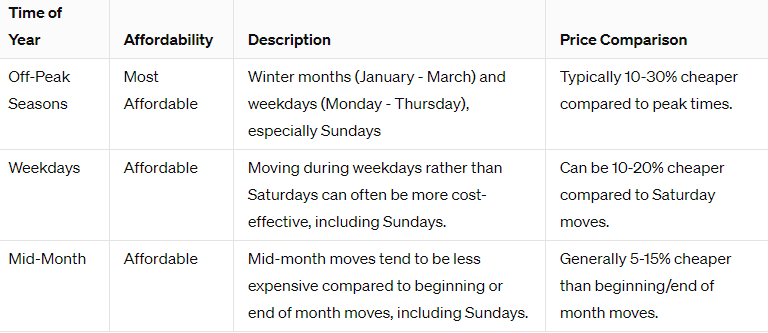
Timing plays a crucial role in determining the cost of your move. Moving during peak seasons, such as the summer months, or on weekends, when demand for moving services is high, can significantly inflate prices. Conversely, opting for off-peak seasons and weekdays can result in more affordable rates. By understanding these trends, you can strategically plan your move to take advantage of the most cost-effective times.

How to Get an Overview of Affordable Moving Seasons
Researching and identifying off-peak moving seasons is the first step in planning a budget-friendly move. Off-peak seasons typically coincide with times of lower demand for moving services, leading to reduced prices. These seasons may vary depending on factors such as location, climate, and local events. By gaining an overview of affordable moving seasons, you can better plan your move to align with these opportune times.
Moving during off-peak seasons offers several benefits beyond cost savings. With fewer people vying for moving services, you’re more likely to secure your preferred moving dates and times. Additionally, moving companies may have greater availability during off-peak seasons, allowing for more flexible scheduling and smoother logistics. Moreover, moving during quieter periods can result in a more relaxed and less hectic experience overall.
Moving During the Off-Peak Seasons
How to Identify Off-Peak Moving Seasons
Identifying off-peak moving seasons is essential for those seeking to save money on their relocation expenses. Off-peak seasons typically coincide with periods of lower demand for moving services, resulting in more competitive pricing and greater availability. Here’s how to recognize these opportune times for your move:
Analyze Historical Trends: Start by analyzing historical data on moving trends to identify patterns of demand throughout the year. Look for months or seasons when moving activity tends to decrease, indicating potential off-peak periods. Historical data from moving companies, industry reports, and government statistics can provide valuable insights into seasonal fluctuations in the housing market.
Consider Seasonal Factors: Several factors contribute to the ebb and flow of demand for moving services throughout the year. Weather conditions, school schedules, holidays, and regional events can all influence the timing of relocations. For example, summer months are typically busier due to favorable weather and school breaks, while winter months may see lower demand due to colder temperatures and holiday festivities.
Consult with Moving Professionals: Seek guidance from experienced moving professionals who are familiar with market trends and seasonal fluctuations. Moving companies often have firsthand knowledge of peak and off-peak periods based on their scheduling and booking patterns. Consult multiple moving companies to gather diverse perspectives and ensure accuracy in your assessment.
Evaluate Pricing and Availability: Compare pricing and availability across different months to determine which periods offer the best value for your move. Off-peak seasons typically coincide with lower rates and greater flexibility in scheduling. Keep an eye out for promotional offers and discounts that may be available during these quieter periods.
Monitor Local Market Conditions: Stay informed about local market conditions and economic trends that may impact moving activity in your area. Factors such as job growth, housing market dynamics, and population trends can influence demand for moving services. Pay attention to any emerging patterns or shifts in market sentiment that could affect the timing of your move.
Plan Ahead: Once you’ve identified off-peak moving seasons, start planning your relocation well in advance to secure your preferred dates and services. Booking early allows you to take advantage of lower rates and ensures availability during busy periods. Create a detailed moving timeline and checklist to stay organized and on track with your preparations.
How to Benefit from Off-Peak Times for Your Move
Moving during off-peak seasons offers several advantages for budget-conscious individuals and families. Here’s how to make the most of these opportune times for your relocation:
Lower Costs: Off-peak seasons often coincide with lower demand for moving services, leading to reduced rates and potential savings on relocation expenses. By scheduling your move during these quieter periods, you can take advantage of discounted pricing and special offers from moving companies.
Greater Availability: With fewer customers vying for moving dates, off-peak seasons typically offer greater availability and flexibility in scheduling. You’re more likely to secure your preferred moving dates and services without having to compete with other customers for limited resources. This can help reduce stress and uncertainty during the planning process.
Easier Planning: Moving during off-peak seasons can make the planning process smoother and more manageable. With less competition for resources, you’ll have more time to research moving companies, compare quotes, and make informed decisions about your relocation. You can also avoid the last-minute rush that often accompanies peak moving seasons, allowing for a more relaxed and organized experience.
Reduced Stress: Moving is inherently stressful, but choosing to relocate during off-peak seasons can help alleviate some of the pressure associated with the process. With fewer logistical challenges and less competition for services, you can focus on the task at hand without feeling overwhelmed by the demands of peak moving periods. This can lead to a more enjoyable and stress-free moving experience for you and your family.
Flexibility: Off-peak seasons offer greater flexibility in terms of scheduling and timing. You have more leeway to choose your moving dates and adjust your plans as needed without having to worry about competing with other customers for available slots. This flexibility allows you to tailor your move to your specific needs and preferences, whether you’re relocating locally or long distance.
Better Service: During off-peak seasons, moving companies may have more time and resources to devote to each customer, resulting in a higher level of service and attention to detail. With fewer moves to manage simultaneously, movers can focus on providing personalized assistance and ensuring a smooth and efficient relocation process. This can lead to a more positive and satisfying experience for you as a customer.

The Ideal Months for Budget-Friendly Moves
How to Identify the Most Affordable Months to Move
Identifying the most affordable months to move can significantly impact your relocation expenses. Certain months offer lower demand for moving services, resulting in competitive pricing and potential cost savings. Here’s how to pinpoint the ideal months for budget-friendly moves:
Analyze Market Trends: Start by analyzing market trends and historical data on moving activity in your area. Look for patterns and fluctuations in demand throughout the year, paying attention to months when moving activity tends to decrease. Market research reports, industry data, and insights from local moving companies can help you identify trends and make informed decisions about your move.
Consider Seasonal Factors: Several seasonal factors can influence the cost of moving, including weather conditions, school schedules, and holidays. Summer months are typically the busiest for moving, with higher demand driving up prices. In contrast, winter months often see lower demand due to colder weather and holiday festivities. Consider how these seasonal factors may impact moving costs in your area and plan accordingly.
Evaluate Pricing and Availability: Compare pricing and availability across different months to determine which ones offer the best value for your move. Request quotes from multiple moving companies for various dates throughout the year and compare the rates. Keep in mind that prices may vary based on factors such as location, distance, and the level of service required. Look for opportunities to negotiate rates and secure discounts during less busy months.
Avoid Peak Moving Seasons: To maximize cost savings, aim to avoid peak moving seasons when demand for moving services is highest. Peak seasons, such as summer and early fall, often coincide with increased prices and limited availability. By scheduling your move during off-peak periods, you can take advantage of lower rates and greater flexibility in scheduling.
Plan Ahead: Once you’ve identified the most affordable months to move, start planning your relocation well in advance to secure your preferred dates and services. Early planning allows you to take advantage of lower rates and ensures availability during less busy periods. Create a detailed moving timeline and checklist to stay organized and on track with your preparations.
Consult with Moving Professionals: Seek advice from experienced moving professionals who can provide insights into the best times to move based on market conditions and industry trends. Moving companies have firsthand knowledge of peak and off-peak periods and can offer guidance on scheduling your move for maximum affordability. Be sure to communicate your budget and preferences to the moving company to ensure they can accommodate your needs.
How to Save Money on Moving Days
In addition to choosing the right months for your move, there are several strategies you can use to save money on moving days. Here are some tips to help you reduce your moving expenses and stay within budget:
Book Early: One of the best ways to save money on moving days is to book your moving services early. By securing your moving date well in advance, you can often take advantage of discounted rates and special promotions offered by moving companies. Early booking also ensures that you have plenty of time to plan and prepare for your move, reducing the likelihood of last-minute expenses.
Compare Quotes: Before hiring a moving company, be sure to shop around and compare quotes from multiple providers. Get estimates from at least three different moving companies and compare their rates, services, and terms. Look for any hidden fees or charges that could inflate the final cost of your move. Choose a moving company that offers competitive rates and transparent pricing.
Pack Your Own Boxes: Another way to save money on moving days is to pack your own boxes instead of hiring professional packers. While professional packing services can save you time and effort, they also come with added costs. By packing your own boxes, you can reduce your moving expenses and ensure that your belongings are packed to your specifications. Be sure to use quality packing materials and label your boxes clearly to make unpacking easier.
Declutter Before You Move: Before packing up your belongings, take the time to declutter and downsize your possessions. Get rid of any items you no longer need or use, either by donating them, selling them, or throwing them away. The less stuff you have to move, the lower your moving costs will be. Plus, decluttering before you move can make unpacking and settling into your new home much easier.
Choose the Right Moving Day: The day of the week you choose to move can also impact the cost of your move. Weekdays are typically less expensive than weekends, as there is less demand for moving services during the week. If possible, try to schedule your move for a weekday to take advantage of lower rates. You may also want to avoid moving during peak times, such as holidays or the end of the month, when moving companies are busiest and prices are highest.
Pack Efficiently: When packing for your move, be sure to pack efficiently to maximize space and minimize the number of boxes you need. Use sturdy boxes and packing materials to protect your belongings during transit. Pack heavy items in small boxes and light items in larger boxes to distribute the weight evenly. Fill any empty spaces in boxes with packing paper or bubble wrap to prevent items from shifting during the move. Be sure to label each box with its contents and the room it belongs in to make unpacking easier.

Weekday vs. Weekend Moves
How to Compare Costs and Availability on Weekdays and Weekends
When planning your move, one of the decisions you’ll need to make is whether to schedule it on a weekday or a weekend. Both options have their pros and cons, including differences in cost and availability. Here’s how to compare the costs and availability of weekday and weekend moves to determine the best option for your relocation:
Evaluate Pricing Differences: Weekday and weekend moves often come with different price tags due to variations in demand for moving services. Generally, weekday moves are more cost-effective than weekend moves because there is less demand for moving services during the week. Moving companies may offer lower rates and special promotions for weekday moves to attract customers during off-peak times. On the other hand, weekend moves are in higher demand, especially on Saturdays, which can result in higher prices and limited availability.
Consider Availability: Availability is another factor to consider when choosing between weekday and weekend moves. While weekday moves may offer lower rates, they may not be feasible for everyone due to work or other commitments. Weekend moves, particularly on Saturdays, are popular choices for many people who prefer to move when they have time off from work. However, because weekend moves are in high demand, it’s essential to book your move well in advance to secure your preferred date and time.
Weigh Convenience vs. Cost: When deciding between weekday and weekend moves, it’s essential to weigh the convenience of each option against the cost. While weekday moves may be more affordable, they may require you to take time off from work or rearrange your schedule. On the other hand, weekend moves offer greater flexibility for those with busy weekday schedules but may come with higher price tags. Consider your personal preferences and availability when choosing the best day for your move.
Plan Ahead: Regardless of whether you choose a weekday or weekend move, it’s crucial to plan ahead and book your move early to ensure availability and secure the best rates. Moving companies often fill up quickly, especially during peak moving seasons, so scheduling your move as far in advance as possible is advisable. By planning ahead, you can avoid last-minute stress and ensure a smooth and successful relocation experience.
Communicate with Your Moving Company: Once you’ve decided on a moving date, be sure to communicate your preferences and requirements to your chosen moving company. Let them know whether you prefer a weekday or weekend move and any specific time constraints you may have. Your moving company can work with you to accommodate your needs and ensure a seamless transition to your new home.
Avoiding Peak Moving Holidays
Moving during peak holiday seasons can significantly impact both the cost and logistics of your relocation. To minimize expenses and ensure a smoother transition, it’s essential to plan your move strategically and avoid peak holiday seasons whenever possible. Here’s how to plan around peak holidays to minimize moving costs:
How to Plan Around Peak Holidays to Minimize Moving Costs
- Research Holiday Schedules: Begin by researching the holiday schedules in your area and identifying peak moving holidays. Major holidays such as Memorial Day, Independence Day, Labor Day, Thanksgiving, and Christmas often coincide with increased demand for moving services and higher prices. By knowing when these holidays occur, you can plan your move to avoid them and take advantage of lower rates during off-peak times.
- Book Well in Advance: Once you’ve identified peak holiday periods to avoid, make sure to book your move well in advance. Moving companies tend to fill up quickly during peak seasons, so securing your preferred moving date early is essential. By booking ahead of time, you can lock in lower rates and ensure availability for your desired moving day.
- Consider Mid-Week Moves: When planning your move, consider scheduling it for a mid-week day rather than a holiday weekend. Moving companies typically experience higher demand on weekends and holiday weekends, leading to increased prices and limited availability. By choosing a mid-week move, you can often secure lower rates and have more flexibility in scheduling your relocation.
- Be Flexible with Your Moving Date: Flexibility with your moving date can also help you save money during peak holiday seasons. If possible, consider moving a few days before or after the holiday to avoid the peak rush and take advantage of lower rates. By being flexible with your moving date, you may find more affordable options and smoother logistics for your relocation.
- Communicate with Your Moving Company: Once you’ve selected a moving date, be sure to communicate your plans with your chosen moving company. Inform them of your desire to avoid peak holiday periods and discuss any alternative dates or scheduling preferences you may have. Your moving company can work with you to accommodate your needs and ensure a cost-effective and stress-free move.
How to Avoid Peak Holiday Seasons for Cost-Effective Moves
- Research Holiday Patterns: Research typical holiday moving patterns in your area to identify peak seasons with increased demand for moving services and higher prices.
- Book Early: Book your move early to secure your preferred moving date and take advantage of lower rates before prices rise closer to the holiday.
- Consider Mid-Week Moves: Opt for mid-week moving dates to avoid holiday weekends and peak demand for moving services, resulting in more affordable rates and greater availability.
- Be Flexible: Maintain flexibility with your moving date to explore alternative options and secure better deals outside of peak holiday periods.
- Communicate with Your Moving Company: Keep an open line of communication with your moving company and discuss your preferences for avoiding peak holiday seasons to ensure a smooth and cost-effective relocation experience.
Booking Early for Better Rates
Booking your move early can often result in better rates and more favorable terms from moving companies. Here’s how to take advantage of early booking to secure the best rates for your move:
How to Book Early for Better Rates
- Start Planning Early: Begin planning your move as soon as you know your intended moving date. Early planning allows you to research moving companies, compare rates, and secure your preferred moving date before prices increase.
- Research Moving Companies: Take the time to research various moving companies in your area and gather quotes for comparison. Look for reputable companies with positive reviews and competitive pricing for the services you require.
- Request Quotes in Advance: Reach out to moving companies well in advance of your desired moving date to request quotes for their services. Provide detailed information about your moving needs to ensure accurate pricing estimates.
- Compare Rates and Services: Once you’ve received quotes from multiple moving companies, take the time to compare their rates and services. Look beyond just the price and consider factors such as reputation, experience, and included services to make an informed decision.
- Secure Your Moving Date Early: Once you’ve found a moving company that meets your needs and budget, don’t hesitate to secure your moving date by booking early. By confirming your reservation in advance, you can lock in the quoted rate and avoid any potential price increases closer to your moving date.

Flexible Moving Dates and Negotiations
Flexibility with your moving dates can provide opportunities for cost savings and negotiation with moving companies. Here’s how to leverage flexible moving dates and negotiate better rates for your move:
How to Utilize Flexible Moving Dates and Negotiations
- Assess Your Flexibility: Evaluate your schedule and determine how flexible you can be with your moving dates. Consider weekdays versus weekends, as well as different times of the month or year, to identify potential cost-saving opportunities.
- Communicate with Moving Companies: Reach out to moving companies and discuss your flexibility with your moving dates. Let them know that you’re willing to adjust your schedule to take advantage of lower rates or special promotions.
- Request Off-Peak Dates: If possible, request off-peak moving dates that are less in demand and may result in lower rates from moving companies. Avoiding peak moving seasons and holidays can help you secure better deals and greater availability.
- Negotiate Rates: Use your flexibility with moving dates as leverage when negotiating rates with moving companies. Express your willingness to book during less busy times or adjust your schedule to accommodate the moving company’s needs in exchange for discounted rates or additional services.
- Compare Offers and Terms: Be prepared to compare offers and terms from multiple moving companies to ensure you’re getting the best deal. Consider not only the price but also the level of service and any included extras when making your decision.
DIY vs. Professional Moves During Affordable Times
Deciding between a do-it-yourself (DIY) move and hiring professional movers can significantly impact your moving costs and overall experience. Here’s how to weigh the costs and benefits of each option during affordable moving times:
How to Decide Between DIY and Professional Moves
- Evaluate Your Moving Needs: Begin by assessing the size of your move, the distance to your new home, and your available time and resources. Consider factors such as the number of belongings you need to move, the complexity of the move, and any special requirements you may have.
- Calculate Potential Costs: Estimate the costs associated with a DIY move, including rental truck fees, fuel costs, packing supplies, and any additional expenses such as tolls or overnight accommodations. Compare these costs to quotes from professional moving companies to determine which option is more cost-effective.
- Consider Time and Effort: Moving can be physically demanding and time-consuming, especially if you’re handling the entire process on your own. Consider the time and effort required for tasks such as packing, loading and unloading, and driving a rental truck when deciding between DIY and professional moves.
- Assess Risks and Liability: DIY moves come with inherent risks, including potential damage to belongings, personal injury, and liability for accidents. Professional movers are trained and experienced in handling moves safely and efficiently, reducing the risk of damage and injury during the moving process.
- Factor in Convenience and Stress: Hiring professional movers can offer convenience and peace of mind, allowing you to focus on other aspects of your move and reducing stress. Consider the value of having trained professionals handle the logistics of your move, from packing and loading to transportation and unloading.
- Review Available Services: Professional moving companies offer a range of services to suit different needs and budgets, from full-service moves to a la carte options. Evaluate the available services and their costs to determine which level of assistance best fits your requirements and budget.
- Get Quotes and Compare: Take the time to gather quotes from multiple moving companies and compare them to the estimated costs of a DIY move. Consider not only the price but also the level of service, experience, and reputation of each company when making your decision.

Packing and Organizing for Budget Moves
Efficient packing and organization are crucial aspects of any budget-friendly move. Here’s how to pack and organize your belongings to minimize costs and streamline the moving process:
How to Prepare for Packing
- Start Early: Begin packing well in advance of your move to avoid last-minute stress and ensure everything is packed properly. Create a packing schedule and tackle one room or category of items at a time to stay organized.
- Declutter and Downsize: Before packing, take the time to declutter your home and get rid of items you no longer need or use. Donate or sell items in good condition, and discard or recycle anything that’s damaged or no longer functional. The less you have to move, the lower your moving costs will be.
- Gather Packing Supplies: Stock up on packing materials such as boxes, packing paper, bubble wrap, packing tape, and markers. Consider sourcing free or discounted packing supplies from local stores, online marketplaces, or recycling centers to save money.
- Pack Strategically: Pack items strategically to maximize space and minimize the number of boxes needed. Start with items you use infrequently, such as out-of-season clothing or decor, and work your way toward everyday essentials.
Tips for Efficient Packing
- Use Proper Packing Techniques: Proper packing techniques can help protect your belongings during transit and prevent damage. Wrap fragile items individually in packing paper or bubble wrap, and use sturdy boxes and packing tape to secure them. Fill empty spaces in boxes with packing paper or filler material to prevent items from shifting.
- Label Boxes Clearly: Label each box with its contents and the room it belongs to for easy identification during unpacking. Use bold markers or color-coded labels to differentiate boxes and make unpacking more efficient.
- Pack Essentials Separately: Pack a separate box or bag with essential items you’ll need immediately upon arrival at your new home, such as toiletries, medications, a change of clothes, and important documents. Keep this box with you during the move for easy access.
- Pack by Weight and Size: Distribute the weight of items evenly among boxes to prevent them from becoming too heavy to lift or causing injury during the move. Pack heavier items in smaller boxes and lighter items in larger boxes to ensure they’re easy to carry and transport.
Budget-Friendly Moving Tips
Moving on a budget requires careful planning, organization, and resourcefulness. By taking advantage of off-peak moving seasons, avoiding peak holiday periods, and negotiating rates with moving companies, you can significantly reduce your moving costs. Here are some additional budget-friendly moving tips to consider:
Additional Tips for a Cost-Effective Move
- Downsize Before You Move: The less you have to move, the lower your moving costs will be. Take the time to declutter and downsize your belongings before the move to reduce the number of items you need to pack and transport.
- Opt for DIY Options: Consider handling certain aspects of the move yourself to save money. Renting a moving truck and enlisting the help of friends and family to assist with packing and loading can be more cost-effective than hiring professional movers.
- Shop Around for Deals: Don’t settle for the first moving company you come across. Shop around and compare quotes from multiple moving companies to find the best rates and services that fit your budget and needs.
- Pack Smartly: Use free or low-cost packing materials, such as newspapers, towels, and blankets, to protect your belongings during the move. Be resourceful and creative when packing to minimize the need for expensive packing supplies.
- Plan Your Utilities Ahead of Time: Avoid unnecessary expenses by scheduling the transfer or setup of utilities at your new home well in advance. Coordinate with utility providers to ensure a smooth transition and avoid any unexpected charges.
- Take Advantage of Discounts and Promotions: Many moving companies offer discounts and promotions during off-peak seasons or for customers who book their services early. Keep an eye out for special offers and take advantage of any savings opportunities.
- Stay Organized: Maintain a detailed moving checklist and budget spreadsheet to keep track of expenses and tasks throughout the moving process. Staying organized can help you avoid overspending and ensure everything goes according to plan.
Remember, every dollar saved during the moving process is a dollar you can put toward settling into your new home and making it your own.
Conclusion
Moving on a budget requires careful planning, organization, and resourcefulness. You can significantly reduce your moving costs by taking advantage of off-peak moving seasons, avoiding peak holiday periods, and negotiating rates with moving companies. Additional budget-friendly tips include downsizing before the move, opting for DIY options, shopping around for deals, packing smartly, planning utilities ahead of time, and taking advantage of discounts and promotions. Staying organized throughout the process is essential for managing expenses and ensuring a smooth transition to your new home.
Get in Touch With Our Affordable Professional Sacramento Movers
Ready to plan your budget-friendly move? Contact us at Professional Sacramento Movers for expert assistance and personalized moving solutions tailored to your needs and budget. Let our team of experienced professionals guide you through every step of the moving process, from packing and loading to transportation and unpacking. Don’t let moving expenses overwhelm you—take control of your budget and enjoy a stress-free move with Professional Sacramento Movers. Get in touch today to request a quote and start planning your affordable move.